

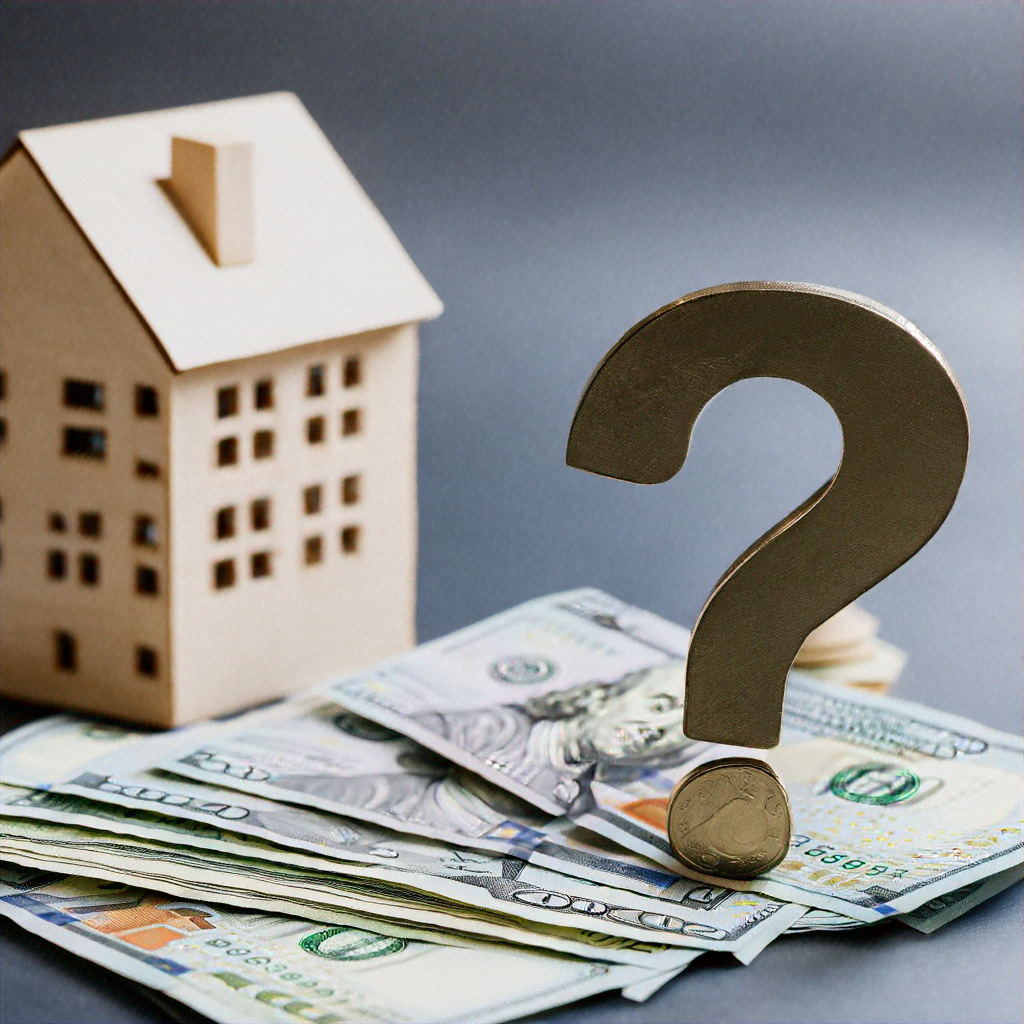
When it comes to purchasing a home, one of the first and most crucial questions potential buyers ask is: How much house can I afford? It’s not just about the monthly mortgage payment, but understanding the total cost of homeownership and making sure you don’t overextend yourself financially. While there's no one-size-fits-all answer, there are some general guidelines and key factors to consider that can help you determine a comfortable price range for your new home.
General Guidelines for Home Affordability
The amount of home you can afford is typically determined by your income, debt, and other financial factors. Here are a few common rules of thumb that mortgage lenders and financial advisors often use to assess home affordability:
1. The 28/36 Rule
One of the most widely used affordability guidelines is the 28/36 rule, which breaks down as follows:
-
28%: Your monthly housing costs (mortgage principal, interest, property taxes, insurance, and homeowners association fees) should not exceed 28% of your gross monthly income.
-
36%: Your total monthly debt obligations, including the housing costs mentioned above and any other monthly debt payments (credit cards, student loans, car loans, etc.), should not exceed 36% of your gross income.
For example, if you earn $5,000 per month before taxes, you should aim for no more than $1,400 for your monthly housing costs (28% of $5,000). Likewise, your total debt payments (including housing costs) shouldn’t exceed $1,800 (36% of $5,000).
2. Down Payment and Loan-to-Value Ratio
Another factor to consider is how much money you have saved for a down payment. Traditionally, a down payment of 20% is recommended, as it helps you avoid paying private mortgage insurance (PMI), which can increase your monthly payment. However, it’s possible to buy a home with a lower down payment (even as low as 3% in some cases), but this might increase your loan-to-value ratio and result in higher monthly payments or additional fees.
3. Interest Rates
Interest rates play a significant role in determining your monthly mortgage payment. A lower interest rate means a lower monthly payment for the same loan amount. Therefore, even a small change in interest rates can have a big impact on how much home you can afford.
For example, if interest rates rise, your ability to afford a larger mortgage decreases because the monthly payments will be higher. Keep this in mind, especially in times of fluctuating market rates.
4. The Mortgage Term
The length of your mortgage loan can also affect how much home you can afford. While 30-year fixed-rate mortgages are the most common, some buyers may opt for shorter terms (such as 15 or 20 years). Shorter loans generally come with higher monthly payments, but they also offer a lower interest rate and allow you to pay off your home more quickly.
Other Key Factors to Consider
While general guidelines are helpful, there are other personal and financial factors to take into account when determining how much home you can afford.
1. Your Monthly Income and Job Stability
Your income is a primary factor, but stability matters as well. Lenders will look at your job history, whether you have a consistent paycheck, and if your income is expected to grow. In general, your monthly income should be sufficient to cover the costs of homeownership, with room for savings, emergencies, and other living expenses.
2. Debt-to-Income Ratio
Lenders also consider your debt-to-income (DTI) ratio, which compares your monthly debt payments to your monthly income. A higher DTI ratio may make it harder to get approved for a mortgage or result in a higher interest rate. A lower DTI ratio signals to lenders that you're in a better financial position to handle more debt.
3. Credit Score
Your credit score significantly impacts the interest rate you’ll receive, which in turn affects how much you can afford. A higher credit score typically means lower interest rates, which translates to more purchasing power. On the other hand, a lower credit score may limit your loan options or increase your interest rates, meaning you can afford less.
4. Property Taxes and Homeowners Insurance
While calculating your potential mortgage, don’t forget to factor in property taxes and homeowners insurance. These can vary widely depending on where you live and may add a substantial amount to your monthly housing costs. Be sure to include them in your affordability calculations.
5. Maintenance and Repairs
Owning a home isn’t just about paying the mortgage. Regular maintenance, repairs, and unexpected expenses (like roof repairs or appliance replacements) should be factored into your budget. A common rule of thumb is to set aside 1% of the home’s purchase price annually for maintenance costs.
6. Long-Term Financial Goals
Consider your future goals when determining how much home you can afford. Will you have children soon? Are you planning to travel or pursue other big expenses? It's important to buy a home that allows you to continue saving for retirement and other goals without compromising your financial stability.
A Final Word: Be Realistic
While the 28/36 rule and other guidelines provide a helpful framework, it's essential to approach home-buying with a realistic mindset. The home you can afford isn’t just about what a bank says you can borrow—it’s about what you feel comfortable managing in the long term. Be sure to leave room in your budget for life’s uncertainties, and avoid stretching yourself too thin financially.
Buying a home is one of the biggest financial decisions you’ll ever make, so it’s crucial to understand how much home you can truly afford. By considering the factors mentioned above and setting a realistic budget, you can find a home that fits both your current financial situation and your long-term goals.