

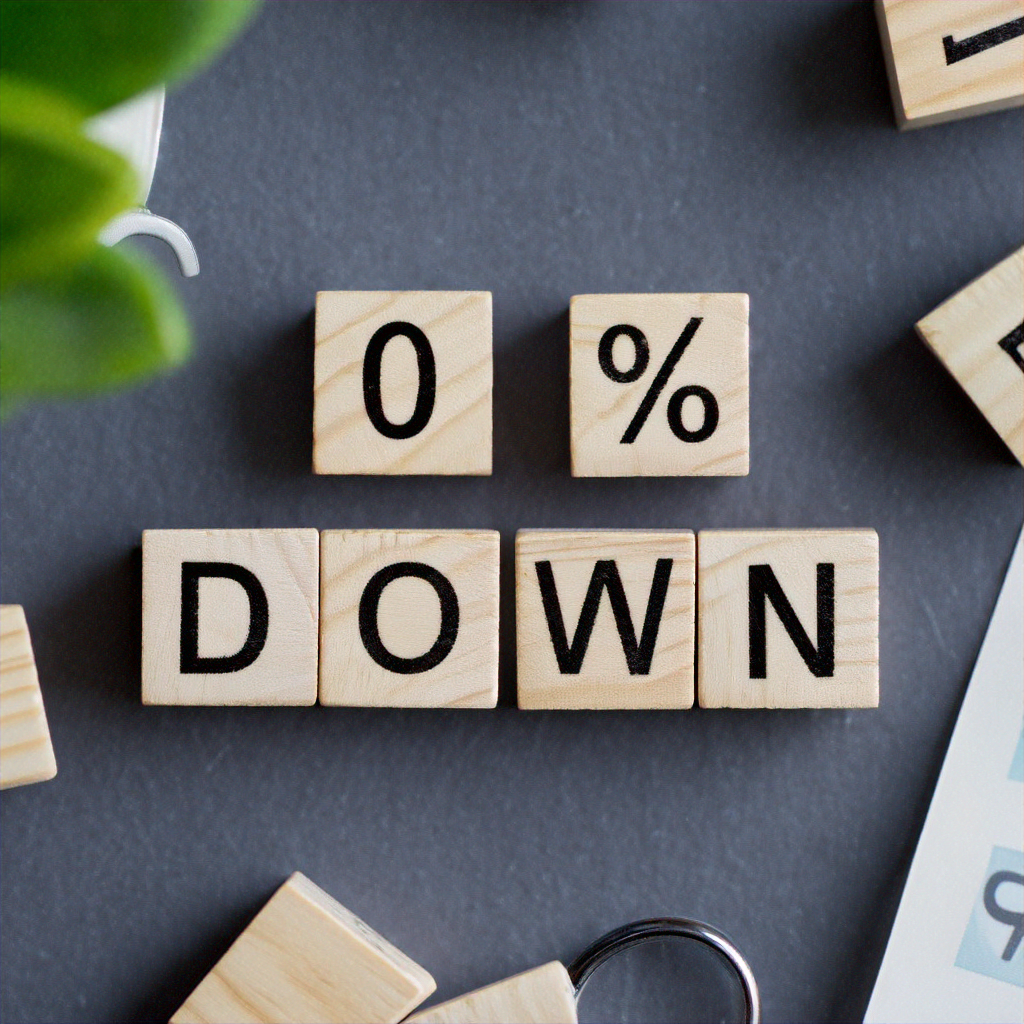
Traditionally, putting down a sizable down payment (typically 20% or more) has been seen as a safe, responsible move for purchasing homes. But when interest rates are low and with creative financing options becoming more accessible, more people are exploring the possibility of putting little or no money down on their properties. Here's when and why this strategy might make sense for you.
1. Lower Interest Rates Make Financing More Affordable
One of the most compelling times to consider a 0% down payment when purchasing a property is when there are low interest rates. When rates are low, your monthly mortgage payment will be lower, reducing the burden of debt and improving your cash flow from the property.
For example, a 3% rate on a $200,000 mortgage is far more affordable than a 6% rate on the same loan amount. With lower rates, you might be able to afford a larger property or multiple properties, even with little to no money down. And if you can lock in a fixed-rate mortgage at a low interest rate, you can secure an advantageous long-term investment, knowing your payments will remain stable as you ride out any future rate increases.
2. Leverage Your Investment
Real estate is a powerful wealth-building tool because it allows you to leverage your money. When you put 0% down, you're essentially borrowing 100% of the money needed to acquire the property. This can significantly amplify your returns if the property appreciates in value over time or generates strong rental income.
Let's say you purchase a property worth $200,000 and it appreciates by 5% in one year. With a 0% down payment, you’ve gained $10,000 in equity without having to initially invest any of your own capital. This leverage can be a game-changer for investors looking to grow their portfolios quickly.
However, it's important to keep in mind that leverage works both ways. If the property value decreases or the rental income doesn't meet expectations, the financial risk can be greater. But if you're confident in the long-term potential of the market and the property itself, a 0% down payment strategy could pay off in the long run.
3. Cash Flow Flexibility for Other Investments
One of the biggest advantages of not putting any money down is the additional liquidity it provides. By conserving your cash, you keep more funds available for other investment opportunities or emergency expenses.
For instance, if you put 0% down, you free up capital that could be used for:
-
Purchasing additional investment properties
-
Investing in property renovations to increase property value
-
Building an emergency fund in case of unexpected costs
-
Investing in other asset classes like stocks, bonds, or business ventures
The more cash flow you have at your disposal, the better positioned you are to seize opportunities when they arise. Plus, if your investment property is generating positive rental income, your cash flow can be used to pay down the mortgage over time, essentially allowing the property to "pay for itself."
4. Zero Down Programs Can Help You Get Started Faster
Many loan programs exist today that allow for little or no down payment, such as VA loans for veterans or USDA loans for properties in rural areas. These programs often have more lenient qualification requirements and can be an excellent option for real estate investors looking to break into the market with minimal upfront costs.
Even for non-veteran investors, there are creative financing options like seller financing, hard money loans, or partnerships that can help you purchase properties with little to no money down. These strategies may require some negotiation and due diligence, but they can open doors to opportunities that would otherwise be out of reach.
5. Real Estate Appreciation and Inflation Hedge
Real estate tends to appreciate over time, making it a solid hedge against inflation. If you buy a property with little or no money down, you are still poised to benefit from long-term market trends—such as rising property values and increasing rents.
In times of inflation, when the cost of goods and services rises, the value of real estate also tends to increase. By leveraging your position in a property with 0% down, you can effectively ride the wave of inflation, benefiting from the appreciation of your asset while potentially seeing your rental income (if you own an investment property) increase as well.
6. For Investment Properties, When Market Conditions Favor It
While purchasing investment properties with no money down can be a smart strategy in certain conditions, it’s not always advisable. It works best when:
-
You are confident in the property’s potential for appreciation: Ideally, the area you are investing in should be a growing market with a high likelihood of increasing property values and rental demand.
-
The property cash flows positively: The monthly rental income should exceed your mortgage payments, taxes, insurance, and any other expenses associated with the property. Positive cash flow ensures you can cover your obligations even with minimal down payment.
-
You have a strong plan for managing risk: In case of unforeseen circumstances like vacancies or maintenance issues, having a clear backup plan or sufficient reserves will help you weather any potential challenges.
The Risks of 0% Down
While the advantages are clear, there are some risks associated with putting no money down:
-
Higher monthly payments: Because you’re borrowing more, your monthly mortgage payment will be higher, which could eat into your cash flow if rental income is not as strong as expected.
-
Limited equity: Without putting down a deposit, you have less equity in the property, which could make refinancing or selling more challenging down the line.
-
Potential for negative equity: If property values decline or rental income doesn’t meet projections, you could end up in a situation where you owe more on the property than it is worth.
Conclusion
Putting 0% down on a property can be a great strategy if you’re confident in your ability to cover the monthly payments and the property’s potential for long-term appreciation. With lower mortgage rates, the ability to leverage your money, and increased cash flow flexibility, it's an option worth considering for those looking to maximize their returns and build wealth quickly.
However, it's crucial to do thorough research, assess the risks, and ensure that your cash flow will support higher monthly payments. If done correctly, purchasing a property with no money down can be a powerful tool for growing your real estate portfolio and achieving financial success.